
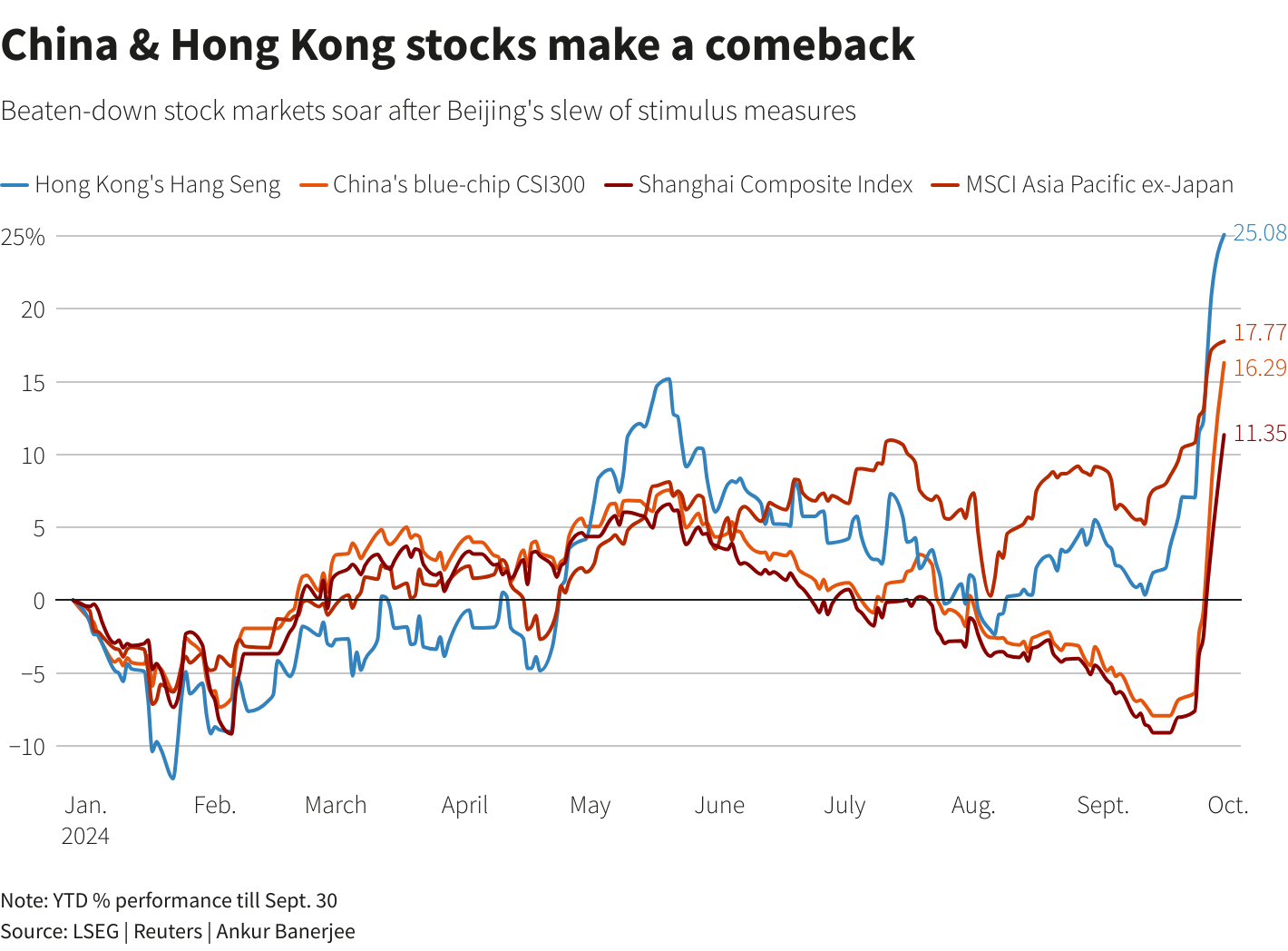
As China’s government takes bold steps to revitalize its slowing economy, a shift in global investor sentiment is emerging, one that could ripple through to Australia’s property market. Recent reports indicate that global investors, previously exiting China due to a mix of economic uncertainty and a collapsing property sector, are starting to reconsider. With new policies in place to boost consumer spending and attract more capital into the stock market, some major asset managers are beginning to make selective investments in China again(MarketScreener)(StreetInsider.com). But what does this shift mean for Australia, especially its booming property market?
A Decline in Chinese Property Investment in Australia
Historically, Australia has been a major destination for Chinese investment, particularly in the residential property sector. Chinese buyers have driven demand for high-end real estate in cities like Sydney and Melbourne, contributing significantly to price growth. According to previous reports, foreign investment from China has helped shape the landscape of Australia’s luxury market.
However, if global investors increasingly focus their capital back into China’s recovering economy, Australian real estate might see a cooling off from one of its most influential investor groups. While it’s too early to predict a full reversal of Chinese investment trends, this redistribution of capital could lead to reduced pressure on property prices, especially in metropolitan markets heavily reliant on foreign capital.
Broader Implications for Australia’s Economy
Australia’s strong economic ties with China extend beyond just real estate. China is Australia’s largest trading partner, and any significant shifts in the Chinese economy are felt across multiple sectors in Australia, including mining, exports, and tourism. If China’s internal economy strengthens and investor confidence returns, Chinese investments in these areas may also pivot away from Australia. This could slow down Australia’s economic growth, affecting consumer sentiment and housing affordability.
A Balancing Act: Domestic and International Demand
Despite the potential decrease in Chinese investment, Australia’s property market remains robust due to other key factors. Ongoing population growth, driven by immigration, and demand from other international investors, particularly from countries like the U.S. and the U.K., are likely to keep demand for housing steady. Additionally, interest from domestic buyers, spurred by historically low interest rates and a rising rental market, will continue to support property prices in many areas.
That said, if fewer international investors from China purchase high-end properties, this could ease some of the upward pressure on prices, particularly in the luxury market, where Chinese investment has been most concentrated. This could create more opportunities for local buyers but may also lead to slower price growth in certain segments of the market.
What’s Next for Australia’s Property Market?
As capital flows shift globally, Australia’s property market finds itself at an interesting crossroads. The renewed focus on China’s economic recovery might mean a reallocation of funds, particularly from Chinese investors who have historically been active in Australian real estate. While this could temper demand in certain high-end markets, Australia’s property market remains resilient thanks to strong domestic demand, immigration-driven growth, and interest from other international buyers.
How this evolving dynamic will play out remains to be seen, but staying informed and adapting to these global shifts will be key for anyone looking to invest in Australian property in the coming years.
Looking to purchase an investment property? allseasons.finance is here to assist you every step of the way. To explore your options, please contact us at 02 9758 2182, email us at info@allseasonsfinance.com.au, or fill out our online form.
 English
  Chinese