
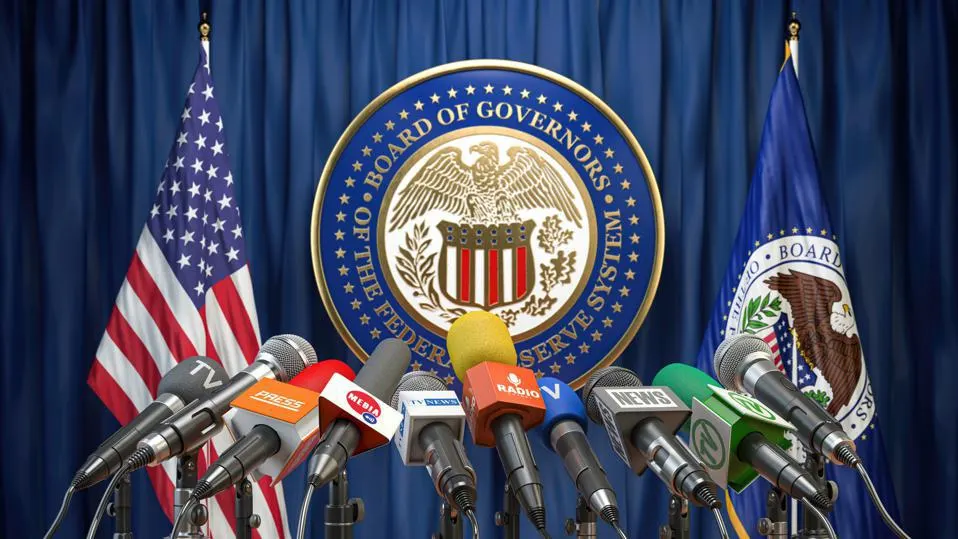
On August 23, Federal Reserve Chair Jerome Powell signaled that the time for interest rate cuts in the United States might be approaching. Speaking at the Jackson Hole Economic Symposium in Wyoming, Powell stated in unusually direct terms, “The time for policy adjustment has come.” He added that the pace and timing of these cuts would depend on forthcoming data, evolving economic forecasts, and the balance of risks.
Following Powell’s remarks, U.S. stock markets responded positively, with all three major Wall Street indices closing up by at least 1.1%. Currently, the Fed’s benchmark interest rate is at a 23-year high of 5.25% to 5.50%, serving to cool demand in the world’s largest economy ahead of the November presidential election. Inflation and the rising cost of living have become central issues in this election.
Implications for Australia’s Interest Rates and Economy
Powell’s signal of potential rate cuts in the U.S. has significant implications for global markets, including Australia. The Reserve Bank of Australia (RBA) has been navigating a challenging economic landscape, with high inflation and rising living costs also being key issues domestically. Here’s how the Fed’s move might impact Australia:
1. Pressure on the RBA to Cut Rates
If the Federal Reserve begins to lower rates, it could increase pressure on the RBA to follow suit. Although the RBA’s decisions are driven by domestic economic conditions, global monetary policy trends often influence its strategy. A Fed rate cut could ease global financial conditions, prompting the RBA to reconsider its stance to remain competitive and support economic growth.
2. Impact on the Australian Dollar
U.S. rate cuts typically weaken the U.S. dollar, which could lead to a stronger Australian dollar. While this might benefit Australian consumers by making imports cheaper, it could hurt exporters by making Australian goods and services more expensive on the global market. The RBA might need to adjust its policy to manage these exchange rate fluctuations.
3. Housing Market Dynamics
Lower interest rates in the U.S. could signal a similar trend in Australia if the RBA responds with its own cuts. This would likely reduce mortgage rates, potentially boosting demand in the already hot Australian housing market. While this could be a relief for homeowners and prospective buyers, it may also exacerbate issues around housing affordability and lead to concerns of an overheated property market.
4. Economic Growth and Inflation Control
If the RBA follows the Fed in cutting rates, it could help stimulate economic growth by reducing borrowing costs for businesses and consumers. However, the RBA would need to carefully balance this with its mandate to control inflation, especially given that Australia is still grappling with high living costs.
Conclusion
The Federal Reserve’s hint at potential rate cuts marks a pivotal moment in global monetary policy, with likely ripple effects on Australia’s economic landscape. As the RBA assesses its next moves, it will need to carefully consider the implications of the Fed’s actions, balancing the need for economic growth with the risks of inflation and a potentially overheated housing market. Australian borrowers and investors should stay alert to these developments, as shifts in interest rates could significantly impact their financial decisions in the coming months.
 English
  Chinese