

RBA Lowers Cash Rate to 4.10%: What It Means for Inflation and the Economy
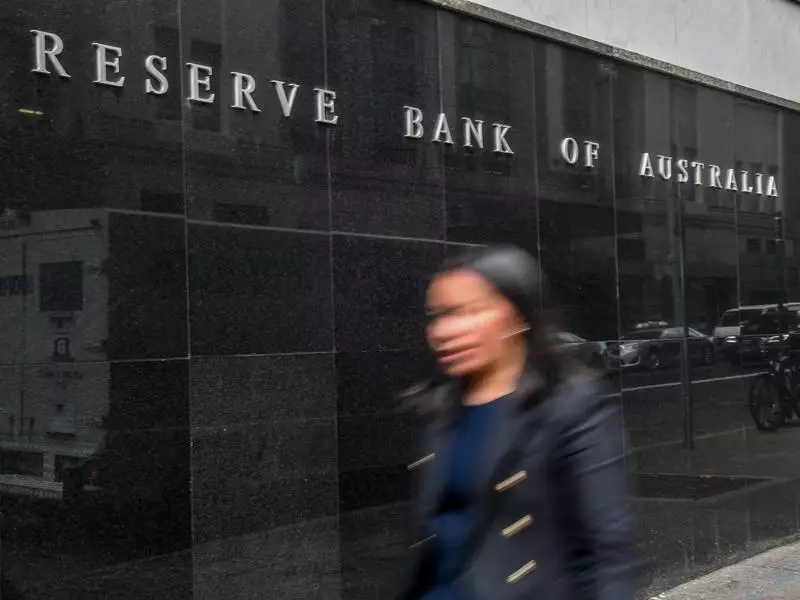
In a significant move, the Reserve Bank of Australia (RBA) has decided to lower the cash rate target to 4.10% and reduce the interest rate on Exchange Settlement balances to 4%. This decision reflects the Board’s ongoing efforts to balance inflationary pressures while supporting economic growth. Here’s a breakdown of what this means for Australia’s economy and what lies ahead.
Inflation Moderates, but Risks Remain
The good news is that underlying inflation is easing, with the December quarter showing a drop to 3.2%. This suggests that inflationary pressures are subsiding faster than anticipated, thanks to higher interest rates helping to align demand and supply. Private demand growth remains subdued, and wage pressures have softened, giving the RBA more confidence that inflation is moving toward the 2–3% target range.
However, the Board remains cautious. Recent labour market data has been stronger than expected, indicating a tighter job market than previously thought. While progress on inflation is encouraging, the RBA has revised its central forecast for underlying inflation slightly higher over 2026. This means that while the cash rate cut acknowledges progress, the Board is treading carefully regarding future policy easing.
Economic Outlook: Uncertainty Ahead
The broader economic outlook remains uncertain. Growth in output has been weak, and private domestic demand is recovering more slowly than expected. While household spending showed signs of recovery in late 2024, it’s unclear whether this trend will persist. Wage pressures have eased more than anticipated, and housing cost inflation is declining. However, businesses in some sectors still struggle to pass on cost increases to consumers.
On the labour market front, conditions remain tight, with underutilisation declining and businesses reporting ongoing labour shortages. Productivity growth has yet to pick up, keeping unit labour costs high. These factors create a complex environment for policymakers, with risks on both sides.
Global and Domestic Risks
Uncertainty isn’t limited to Australia. Globally, geopolitical tensions and policy uncertainties are weighing on economic activity. Many central banks are easing monetary policy as inflation moves closer to their targets, but market expectations for further easing have moderated, particularly in the United States.
Domestically, the RBA faces challenges in balancing monetary policy lags, weak productivity growth, and tight labour market conditions. The central projection is for household consumption to rise as incomes grow, but there’s a risk that consumption could remain sluggish, leading to slower output growth and a sharper deterioration in the labour market.
The RBA’s Priority: Returning Inflation to Target
The RBA’s primary focus remains on sustainably returning inflation to the 2–3% target range within a reasonable timeframe. This aligns with its mandate for price stability and full employment. While longer-term inflation expectations remain consistent with the target, the Board is mindful of the risks.
Today’s decision to ease monetary policy slightly reflects the progress made but underscores the need for caution. The RBA acknowledges that moving too quickly could stall disinflation, leaving inflation above the target midpoint.
What’s Next?
The RBA will continue to rely on data and evolving risk assessments to guide future decisions. Key areas of focus include global economic developments, domestic demand trends, and the outlook for inflation and the labour market. The Board remains committed to its inflation target and is prepared to take necessary actions to achieve it.
 English
  Chinese